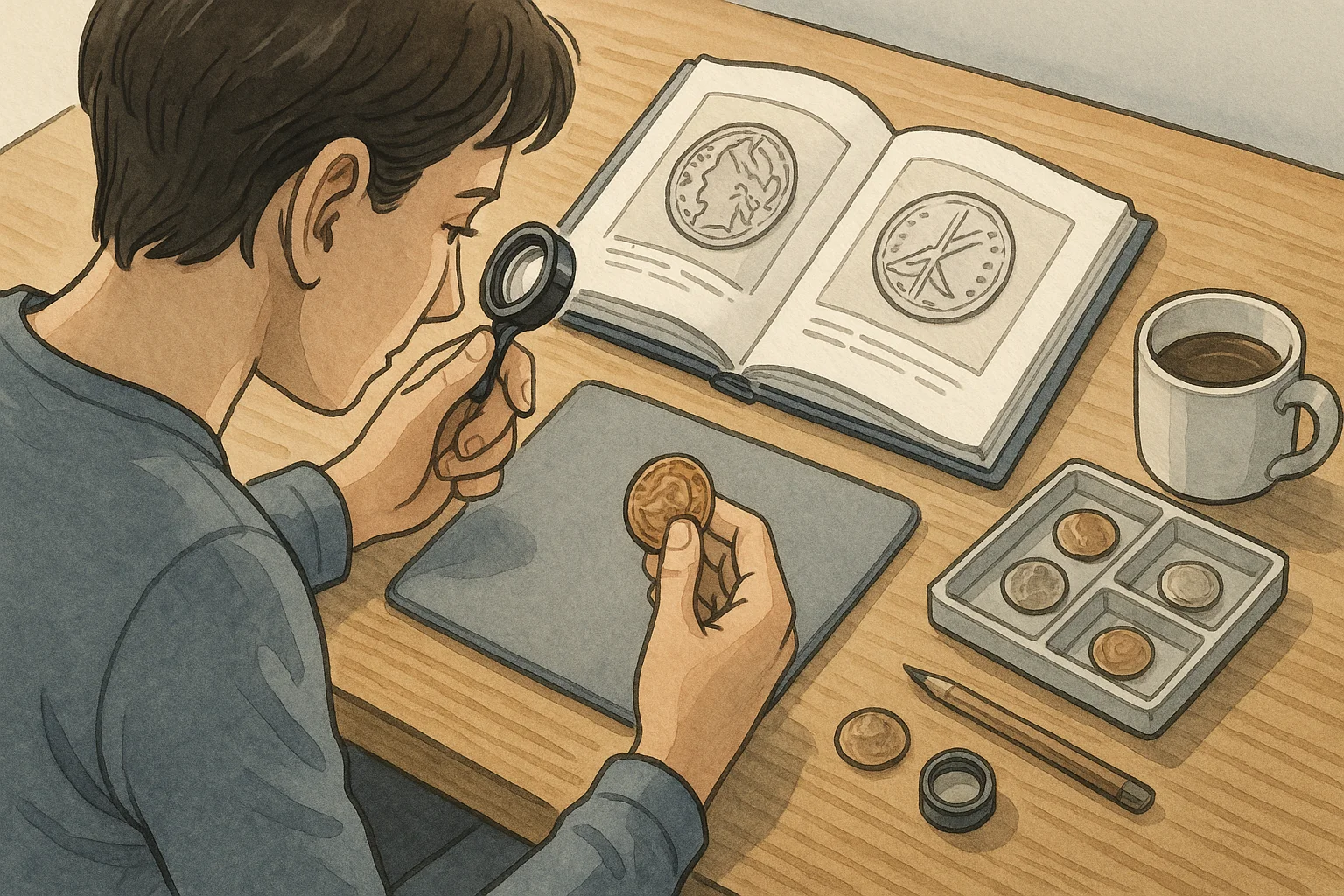
Pirate stories have filled generations with images of storm-tossed ships, hidden coves, and chests overflowing with gleaming gold. But behind the legends lies a real world of colonial silver, shipwreck treasure, and globe-spanning trade.
Pirate coins weren’t fantasy props — they were the currency that fueled empires and tempted outlaws across the seas. Let’s explore these coins with traditional research and a modern Coin ID Scanner tool to step directly into that world of danger, discovery, and maritime mystery.
Defining Pirate Coins: Treasure or Circulating Currency?
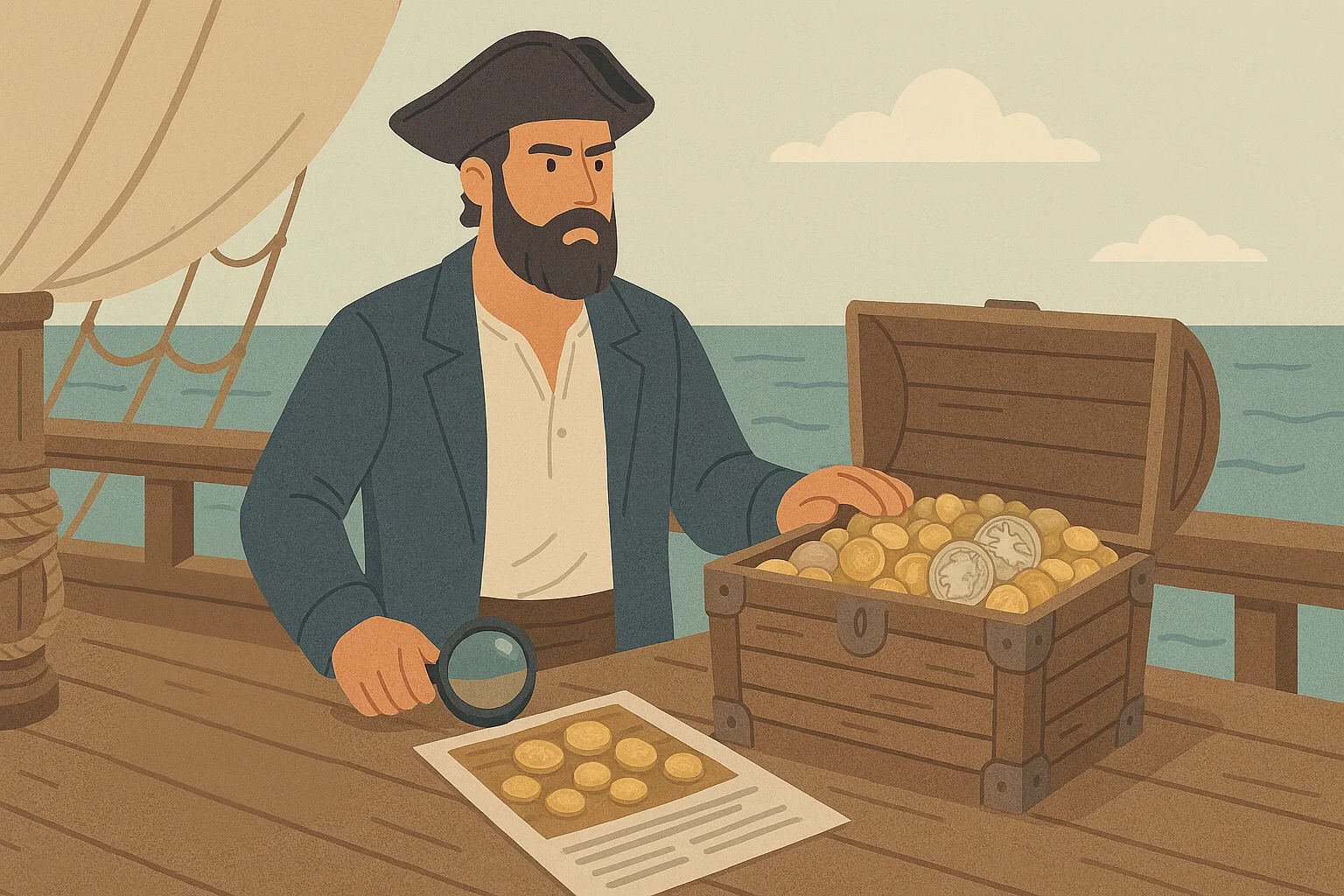
The romantic image of pirates conjures treasure chests packed with gold doubloons and glinting silver coins. In numismatic terms, “pirate coins” do not refer to a special mint or exclusive issue but instead to circulating currency that pirates plundered, hoarded, or used during the so-called Golden Age of Piracy (roughly the late 1600s into the early 1700s). Collectors with historical interest often focus on the coins that show up in shipwrecks, pirate hoards, and colonial era trade.
What Did Pirates Really Use?
Rather than inventing new coins, pirates made use of what they found. Key examples include:
- Spanish silver “Pieces of Eight” (or 8 reales), which circulated widely in the Americas, Europe, and Asia. These served as a trusted global currency.
- Gold doubloons (32 real gold coins) from Spanish colonies and other European issues that carried high value and light enough weight to transport by ship.
- Foreign issues from Dutch, English, Portuguese or East India Company coinage — pirates seized a mix of circulating bullion.
This means a pirate’s cache could include silver and gold coins struck for trade, not specifically minted for piracy, which adds complexity to how collectors view “pirate coins”.
Why These Coins Carry Historical Meaning
For history enthusiasts and specialists, pirate-era coin value is large due to many reasons:
- They link to colonial commerce, maritime routes and silver mines in the New World.
- Shipwreck recoveries provide tangible evidence of pirate raids or treasure fleets.
- The associated lore—of buccaneers, island hideouts and buried hoards—adds narrative appeal.
One well-known coin, the Spanish 8 reales, is often tied to the phrase “Pieces of Eight” and the actual practice of cutting the coin for change among seafarers and traders.
Are Pirate Coins Collectible? A Snapshot
Collectibility depends on several factors:
- Authenticity and provenance (coins recovered from shipwrecks carry premium value)
- Condition (many coins from wrecks or pirate caches are worn or damaged, which can influence grade)
- Historical association (coins directly connected to documented pirate events or wrecks)
- Scarcity (surviving examples of certain dates, mint marks or wreck-recovered specimens)
To illustrate, here’s a simple comparison of two example coin types:
| Coin Type | Commonality in Pirate Caches | Collector Appeal |
| Spanish 8 reales (silver) | Very common on ships and trade routes | High due to historic use and survivor sets |
| Gold Spanish doubloon | Less common but high value | Strong if documented with wreck or hoard |
How Collectors Evaluate Pirate-Era Coins: Authenticity, Value, and Common Pitfalls
Pirate coins attract history lovers because they connect directly to maritime trade, colonial expansion, and legendary shipwrecks. But this same fascination makes the niche vulnerable to mislabeling, replicas, and exaggerated marketing. To collect confidently, you must understand how experts judge authenticity, condition, and provenance — the three pillars that determine real value.
Authenticity: The First and Most Critical Check
Most coins sold today as “pirate treasure” were never touched by pirates at all. The vast majority are standard colonial-era coins from Spain, England, the Netherlands, or Portugal. Distinguishing genuine pirate-era pieces from modern imitations requires attention to detail.
Collectors focus on:
- Correct metal composition for the coin’s era
- Authentic weight and diameter (cast fakes often vary)
- Striking method — many real pirate-era coins were irregular “cobs”
- Mint marks such as Mexico City (Mo), Lima (L), or Potosí (P)
- Wear patterns consistent with circulation and sea exposure
- Historical plausibility — date, mint, and region must match known trade routes
Coins with suspicious smoothness, identical casting bubbles, incorrect fonts, or inconsistent weight are warning signs.
Why Provenance Matters in Pirate Coin Collecting
Provenance — the documented history of where a coin was found — can multiply value. A standard Spanish 8 reales is historically meaningful on its own, but an 8 reales linked to a documented wreck like the Atocha or Whydah carries cultural and numismatic weight.
Strong provenance usually includes:
- Shipwreck certification
- Recovery details (year, expedition, location)
- Documentation from reputable recovery groups
- Photographs or tags from the original conservation process
Coins lacking any traceable background should be priced as ordinary colonial-era coins, not pirate-specific artifacts.
Condition: Not the Same as Modern Grading
Pirate-era coins rarely appear in high grades. Centuries of saltwater exposure, corrosion, and circulation create irregular surfaces and edge loss. In this niche, condition is evaluated differently.
Collectors consider:
- Historical authenticity over visual perfection
- Sea salvage toning or crystallization
- Clear mint marks and visible dates
- Legibility of the shield, cross, or royal portrait
A heavily corroded coin with clear shipwreck provenance may be more collectible than a clean, uncertified example with no history attached.
Common Pitfalls: How Buyers Get Misled
Without careful study, it’s easy to fall for listings that exaggerate rarity or invent pirate connections. The most frequent pitfalls include:
- Modern replicas sold as authentic cobs
- Machine-cut coins marketed as “shipwreck silver”
- Coins with forced toning to imitate seawater exposure
- Misidentified mints or incorrect dates
- Coins advertised as “pirate treasure” with no supporting evidence
Marketing language often inflates value. A coin “similar to those used by pirates” is not the same as a coin recovered from a historically documented wreck.
A Collector’s Quick Reference Table
| Key Feature to Check | Why It Matters | What It Reveals |
| Weight & size | Fakes are often cast or plated | Detects inconsistencies |
| Mint mark | Confirms region & trade route | Supports historical plausibility |
| Strike type (cob vs. round) | Pirates often seized cobs | Helps identify era & minting style |
| Provenance papers | Raises authenticity & value | Links coin to shipwreck or hoard |
| Metal composition | Validates minting era | Identifies counterfeit mixes |
Modern Tools That Strengthen Authenticity Checks
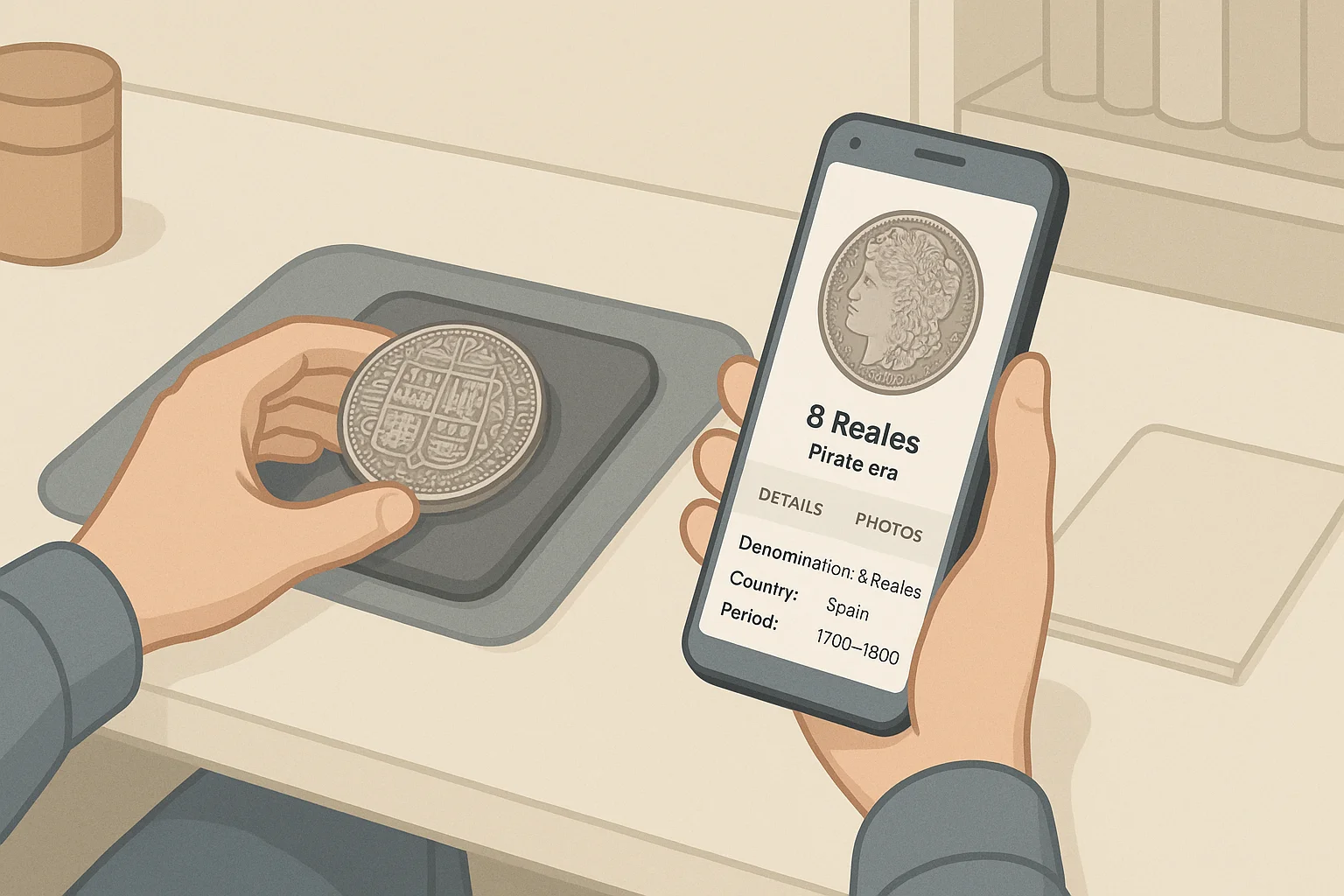
Because pirate coins span centuries and multiple mints, collectors benefit from using technology to double-check details. The modern best coin identifier app makes verification faster, especially for buyers just entering this niche.
Using tools such as Coin ID Scanner helps collectors:
- Compare photos of suspected pirate coins with verified entries
- Confirm mint marks, strikes, and design variations
- Review official specifications like weight and metal content
- Cross-reference international colonial-era issues
- Spot inconsistencies that often indicate replicas
Navigating the Pirate Coin Market With Confidence
Collecting coins linked to pirate legends can be both exciting and intimidating. The niche blends maritime history, colonial minting, and numismatic detective work, making it essential to approach purchases with clarity and method. With the right strategy and modern tools, you can enjoy this field without falling into the traps that often surround pirate-themed collectibles.
How to Shop Smartly for Pirate-Era Coins
Success in this niche begins with disciplined buying habits. Because pirate coins are often marketed with dramatic language, staying focused on facts is crucial.
Practical steps include:
- Study mint marks and regional styles before buying
- Compare photos meticulously, checking the strike quality and design elements
- Review weight and diameter against known standards for cobs, reales, and historic gold coins
- Examine seller history, prioritizing dealers experienced with shipwreck and colonial numismatics
- Avoid impulse purchases, especially when listings use phrases like “pirate treasure” without proof
Keeping a checklist for each purchase helps reduce mistakes and strengthens long-term collecting skills.
Why Technology Enhances Pirate Coin Collecting
Because pirate-era coins involve multiple mints and centuries of variations, identifying them by eye alone can be challenging. Digital tools help fill in gaps, confirm details, and offer quick access to verified references.
The Coin ID Scanner app simplifies research by allowing collectors to:
- Photograph a coin and receive detailed identification
- View the known mint locations, official dimensions, and metal composition
- Read historical context for Spanish reales, gold doubloons, and colonial issues
- Organize finds into a digital collection for easy tracking
- Consult the AI Coin Helper for explanations of symbols, strikes, and varieties
This support is especially helpful when dealing with unfamiliar coin types or ambiguous shipwreck pieces.
Building a Collection With Historical Depth
Pirate-era collecting is most rewarding when you focus on authenticity and context. Instead of chasing coins labeled as “pirate treasure,” consider building a collection around themes that mirror real maritime history.
Examples include:
- Spanish colonial mints (Mexico City, Lima, Potosí)
- Cob coins from major trade routes
- Silver dollars recovered from documented shipwrecks
- Gold issues tied to colonial trade networks
- Coins minted during the height of Atlantic piracy
These themes create collections that are historically grounded and visually compelling.
Protecting Your Finds After Purchase
Once you acquire pirate-era coins, proper care becomes essential. Many pieces have already endured harsh conditions, so storing them correctly preserves remaining detail.
Recommended practices:
- Keep coins in acid-free holders or capsules
- Avoid high humidity, which accelerates corrosion on shipwreck silver
- Document provenance papers and store them separately from the coin
- Maintain digital records of weight, measurements, and photos
These steps safeguard both the coin and its historical narrative.
Pirate-era coins are relics of storms, treasure fleets, and the daring crews who chased fortune across uncharted waters. With careful research and modern tools guiding each step, collectors can safely navigate this thrilling corner of numismatics. Every authentic coin becomes more than metal — it becomes a story rescued from the depths, ready to be held, studied, and passed on.